Roof Coatings Elmwood

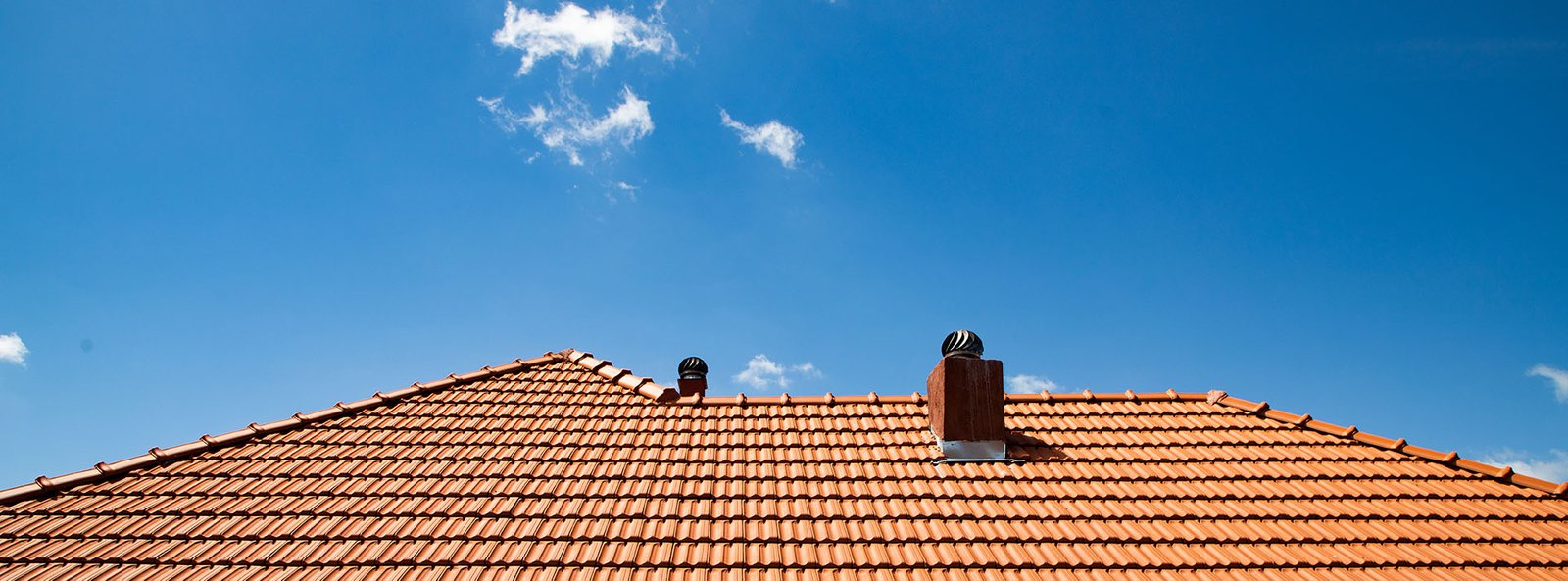
Give Your Roof a Little More Life
A roof doesn’t always need to come off just because it’s starting to show its age. On the right roofing system, a roof coating can seal vulnerable areas, protect the surface from UV exposure, and help slow further deterioration without the noise and disruption of a full replacement.
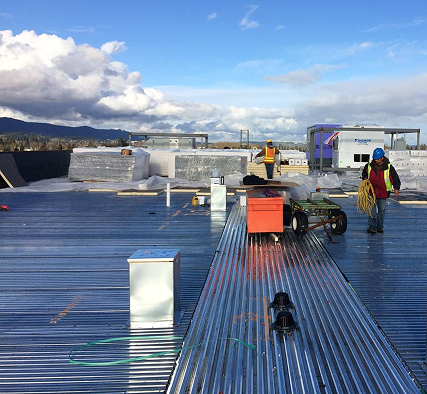
Roof coatings are particularly useful for low-slope and metal roofing systems, including many commercial roofs. Before a coating goes on, the existing roof needs to be in suitable condition, with moisture intrusion, drainage problems, and other damage addressed first.
4,000+ Projects Completed
Summit Exteriors has completed approximately 4,000 roofing and exterior projects. That experience gives our team plenty of exposure to different roofing systems, materials, repairs, and weather-related problems.
14 Years in the Industry
Jonathan brings approximately 14 years of roofing and construction experience to the company. That experience helps our team evaluate existing roofs and understand what needs to happen before a coating is applied.
Thermal Imaging for a Closer Look
A roof can have moisture hiding beneath the surface even when the damage isn't immediately visible. Summit Exteriors uses thermal imaging technology as another way to examine the roofing system before recommending a coating.
Storm Damage and Insurance Experience
Elmwood roofs have to deal with hail, high winds, and severe storms. We'll document what we find during an inspection and help you understand the condition of the roof if storm damage or an insurance claim is part of the project.
More Than Roofing
Roofing problems don't always stay confined to the roof. Summit Exteriors also handles siding and gutters, so related exterior work can be addressed when the project calls for it.
Why Elmwood Property Owners Choose Summit Exteriors
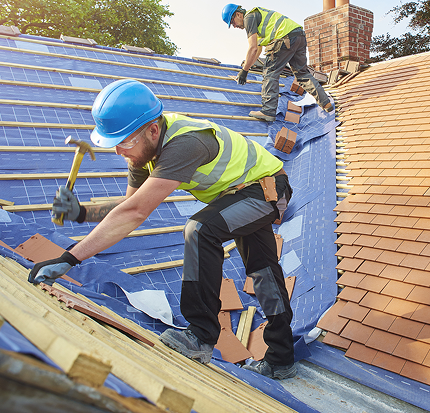
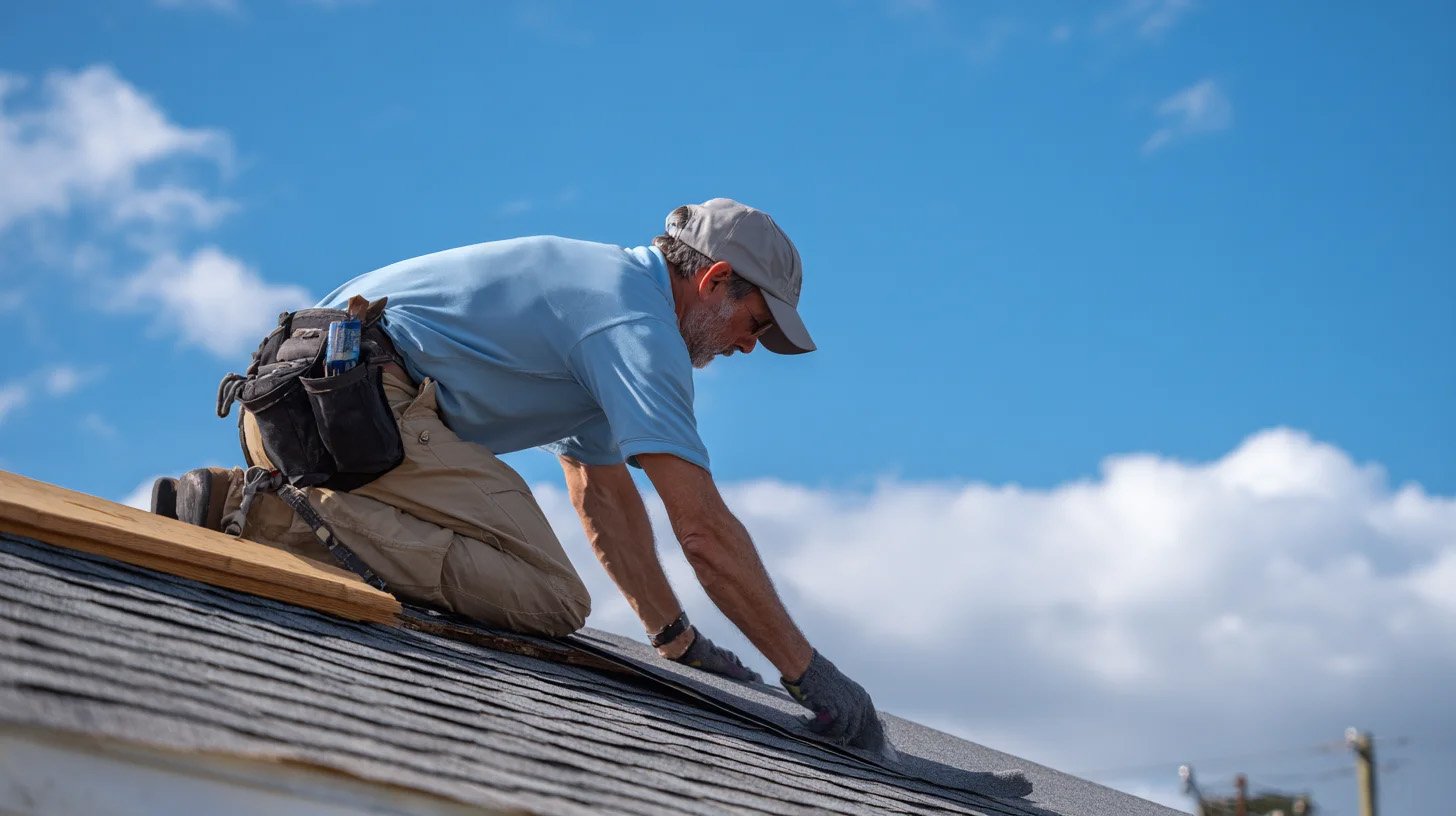
Our Roof Coating Services
- Roof Coatings – Protective coatings designed to help extend the life of suitable roofing systems and guard against UV exposure, moisture, and weather.
- Liquid-Applied Roof Coatings – A seamless coating applied across the roof surface to create a continuous protective layer.
- Metal Roof Coatings – Coating systems designed for suitable metal roofs to help protect against weather exposure, corrosion, and further deterioration.
- Flat Roof Coatings – Protective coatings for compatible low-slope roofing systems, including certain commercial roofs.
- Roof Restoration – An alternative to immediate replacement when the existing roofing system is in suitable condition for restoration.
- Roof Coating Inspections – An evaluation of the existing roof to check its condition, drainage, seams, moisture levels, and other factors before coating work begins.
What Does a Roof Coating Actually Do?
Think of a roof coating as another layer of protection for the roofing system that’s already there. Once applied, the coating can create a continuous barrier across the surface, helping protect the roof from sunlight, moisture, and the repeated expansion and contraction that comes with Nebraska’s temperature swings.
Reflective coatings can also bounce more sunlight away from the roof surface, which may help reduce heat buildup during the summer. The exact benefits depend on the coating, roofing material, building, and existing insulation, so the roof itself needs to be evaluated before choosing a system.
Why Choose a Roof Coating?
A roof coating can make sense when you’re trying to get more life out of an existing roofing system without immediately committing to a complete tear-off. Installation can also mean less disruption for a commercial property, since you’re working with the existing roof rather than removing the entire system.
There’s an environmental benefit too. Keeping a suitable roof in service means less old roofing material heading to a landfill. For property owners looking at long-term maintenance, energy efficiency, and the cost of replacement, that can make roof restoration an option worth discussing.
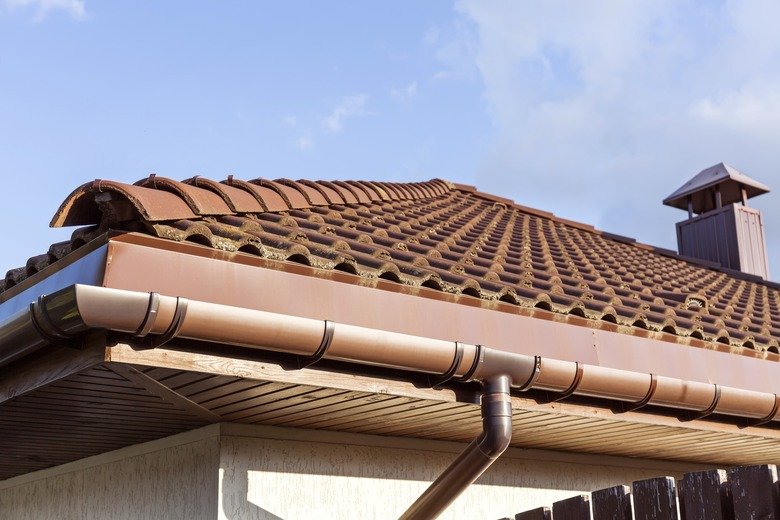
what our customers say

“Outstanding Work”
I had the pleasure of working with Skyline Imaging for some home improvements, and I couldn’t be happier with the results! Dillon and Drake were both outstanding throughout the entire process. From the initial consultation, handling all insurance claims, and to the completion of the work, they were professional, reliable, and attentive to every detail.

Kim Steuben
“Wonderful”
Skyline Imaging did a wonderful job on our roof and soffit. Their team was thorough, cleaned up great, and did a quality job with quality materials. We’d recommend them to anyone looking to replace their roof, siding, or trim! Thank you, Skyline Imaging, LLC

Maddie Peterson
“Outstanding Work”
Skyline Imaging has been expeditious and professional from start to finish. Dillon Pigsley was super pleasant to work with throughout the claim process and scheduled services. Roofers were there early and gone before 4:30pm. Roof looks great and the property was cleaned up very well.

Trent Freeman
FAQ
How do I know if my roof needs a coating or a new roof?
It starts with the condition of the roof you already have. If the system is still structurally sound but showing age or surface wear, a coating may be a useful way to protect it, while major structural issues or extensive deterioration can point toward replacement.
Can a roof coating fix a leaking roof?
It depends on where the leak is coming from and what’s happening underneath the surface. Leaks, damaged seams, drainage problems, and moisture intrusion should be addressed before coating so you’re not simply covering up a problem that still needs to be fixed.
Are roof coatings only used on commercial roofs?
Not necessarily. They’re commonly used on flat and low-slope commercial roofing systems, but some residential metal roofs and other compatible systems can also be candidates. The roofing material and its condition have more to do with it than the type of building.
Can you put a coating over an EPDM roof?
EPDM can be coated with certain compatible products, but the existing membrane needs to be evaluated first. The surface has to be properly prepared, and any damaged areas or moisture problems should be dealt with before the coating is applied.
Will a roof coating help with drainage problems?
A coating won’t fix a drainage system that’s blocked, damaged, or poorly designed. Those issues need to be addressed separately so water can move off the roof instead of sitting on the surface and creating bigger problems.
Can roof coatings help lower energy costs?
Certain reflective coatings can reduce the amount of heat absorbed by the roof during sunny weather. That can help reduce cooling demand, although the actual energy savings depend on the building, insulation, roofing system, and coating used.
Is roof coating more environmentally friendly than replacement?
It can be, particularly when a sound roof can be restored instead of torn off and replaced. Keeping an existing roofing system in service can reduce the amount of old material going to a landfill and cut down on the disruption of a full replacement.
Will a roof coating change the way my roof looks?
It can give the roof a more uniform, refreshed appearance, and some coating systems are available in different finishes. For a property where visual appeal is part of the investment, the color and type of coating can be considered alongside its protective qualities.
Can roof coatings be used on metal roofing?
Yes, compatible coating systems are commonly used on metal roofs. They can help protect the surface from weather exposure and seal vulnerable areas, but the metal needs to be checked for rust, damaged fasteners, failing seams, and other repairs first.
How does roof coating compare with flat roof repair?
They’re often two parts of the same conversation. A flat roof may need repairs before it can be coated, while a coating can provide additional protection once the underlying issues have been addressed and the roofing system is still in suitable condition.
Will I need to replace my entire roof before getting a coating?
No. That’s one of the reasons property owners consider coatings in the first place. If the existing roof is in suitable condition, coating can provide another layer of waterproofing and protection without removing the entire roofing system.
How disruptive is roof coating installation?
Roof coating can involve considerably less disruption than tearing off and replacing an entire roof. The exact process depends on the property, existing roof, preparation needed, and coating system, but there is typically much less material to remove from the site.
What should I ask a roofing contractor about roof coating?
Ask what’s happening with the existing roof before talking about the coating itself. A good roofing contractor should be able to explain the condition of the system, any repairs it needs, the materials being proposed, and why that particular solution makes sense for the property.
Give Your Roof More Time
A full roof replacement isn't the only way to deal with an aging roofing system. When the existing roof is still in suitable condition, a coating can give it another layer of protection while putting off a tear-off and the disruption that comes with it.
If your roof is showing its age but isn't ready for replacement, a coating may be worth exploring. Summit Exteriors can take a look and help you decide what makes sense. Call (800) 484-1929 for a free estimate.