
Gutter Installation Elmwood

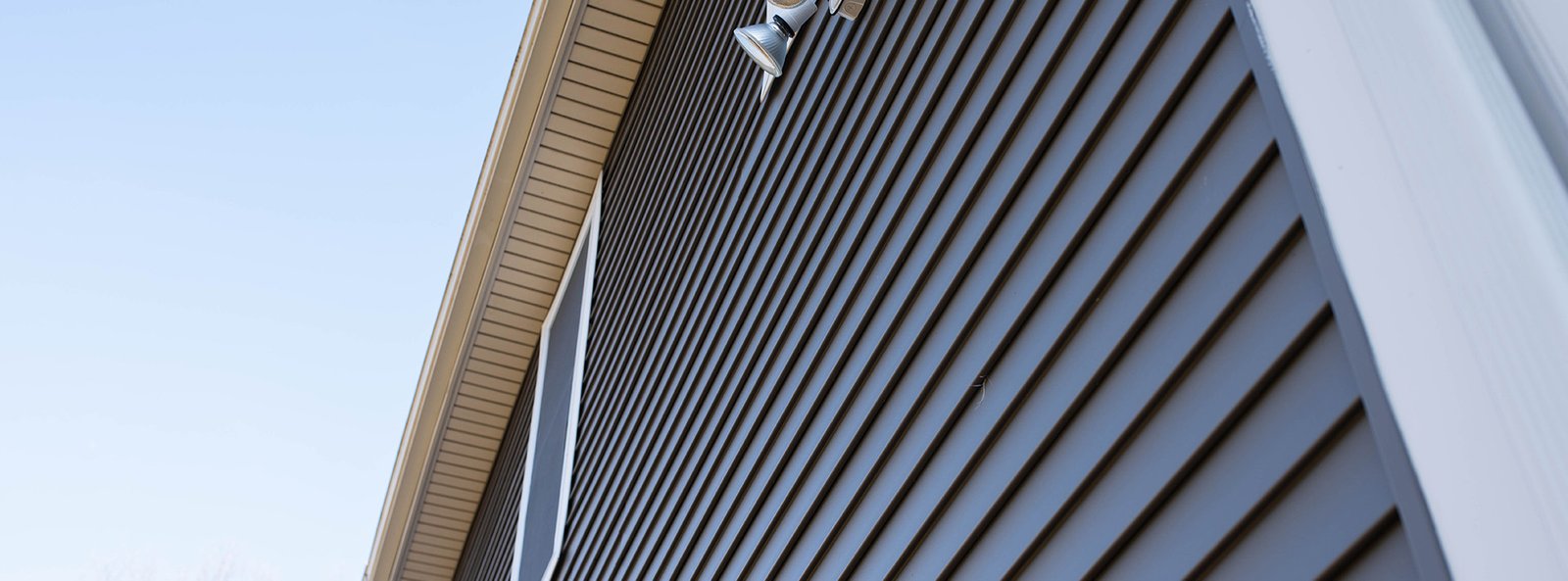
Give Rainwater a Better Route
Every time it rains, water runs across your roof, reaches the edge, and needs somewhere to go. Without a properly designed gutter system, that water can end up running down the siding, collecting around the foundation, washing out landscaping, or finding its way into places it shouldn’t.
Gutter installation is about giving roof runoff a controlled route away from the house. For homes in Elmwood, that means choosing gutters and downspouts that fit the roof, property, and amount of water the system needs to handle, then installing everything so it can actually do its job.
4,000+ Projects Completed
Summit Exteriors has completed approximately 4,000 roofing and exterior projects. That experience includes plenty of work involving the parts of a home that connect with the roof and gutters.
14 Years in the Industry
Jonathan brings approximately 14 years of roofing and construction experience to the company. That background helps when looking at how the roof, gutters, flashing, and other exterior components work together.
Thermal Imaging for a Closer Look
Gutters aren't the only place water problems can show up. Summit Exteriors uses thermal imaging technology as another way to investigate moisture concerns when a roofing or exterior inspection calls for a closer look.
Storm Damage and Insurance Experience
Severe weather can damage more than shingles. If hail, wind, or falling branches have affected your gutters or other exterior components, we'll document what we find and help you understand the damage.
More Than Roofing
Gutters are one piece of the home's exterior. Summit Exteriors also provides all sorts of roofing and siding services, giving you a way to address related issues when the condition of the property calls for more than a gutter replacement.
Why Elmwood Homeowners Choose Summit Exteriors
Our Gutter Services
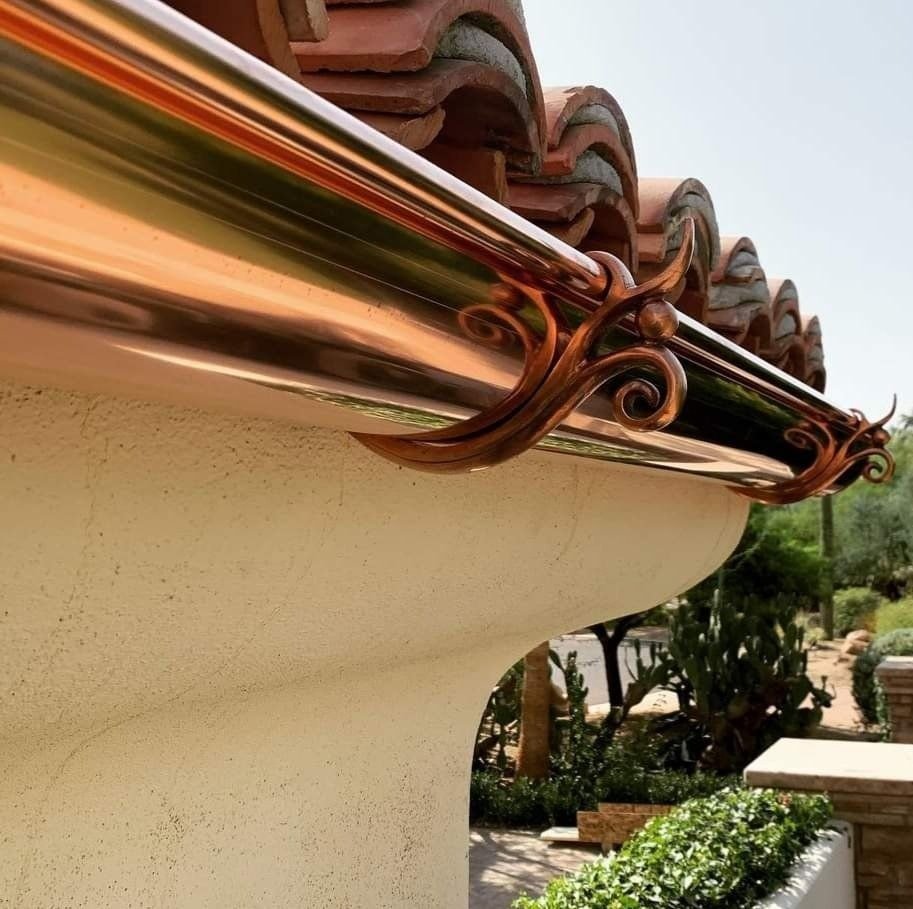
- Gutter Installation – New gutters sized and installed to collect roof runoff and direct it toward the appropriate downspouts.
- Gutter Replacement – Removal of damaged, rusted, sagging, or undersized gutters and installation of a new system.
- Gutter Repairs – Repairs for leaks, loose sections, damaged connections, and other problems affecting how the system handles water.
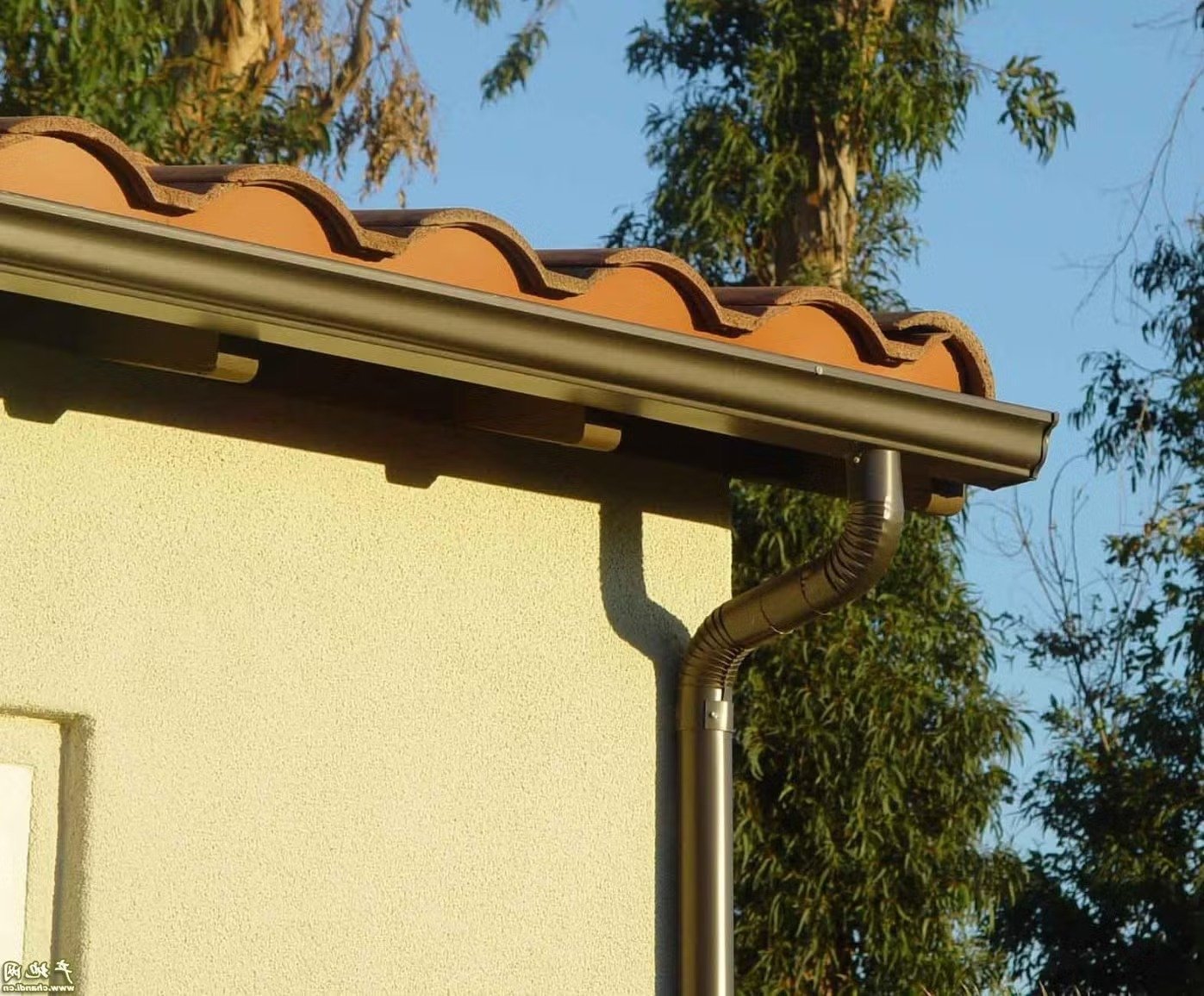
- Downspout Installation – New or replacement downspouts designed to move water away from the roof edge and toward a suitable discharge point.
- Gutter Inspections – An assessment of gutters, downspouts, connections, and drainage to identify areas that need repair or replacement.
- Gutter Maintenance – Ongoing attention to debris, drainage, and other issues that can interfere with proper water flow.
What Happens When Water Isn't Draining Properly?
Water doesn’t always cause an obvious problem right away. A gutter may overflow during heavy rain, but the effects can continue long after the storm has passed.
Repeated overflow can leave water against the siding or fascia, wash away soil around the house, and contribute to moisture near the foundation. Water can also splash back onto the exterior or collect in areas where it has nowhere useful to go.
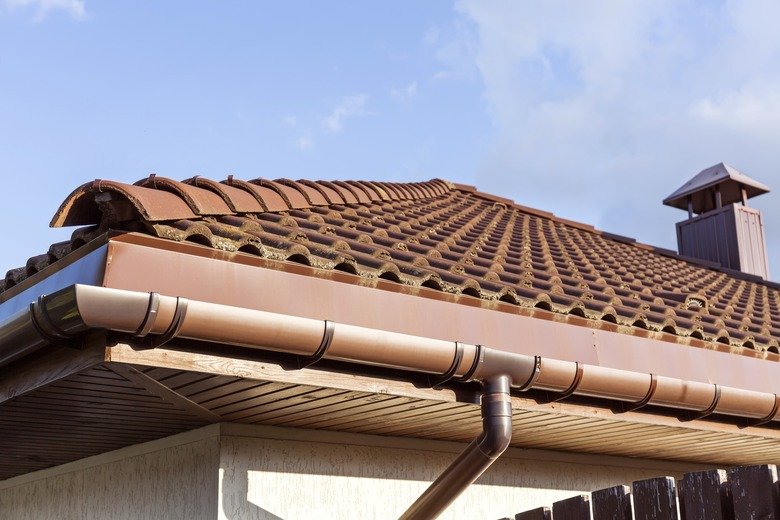
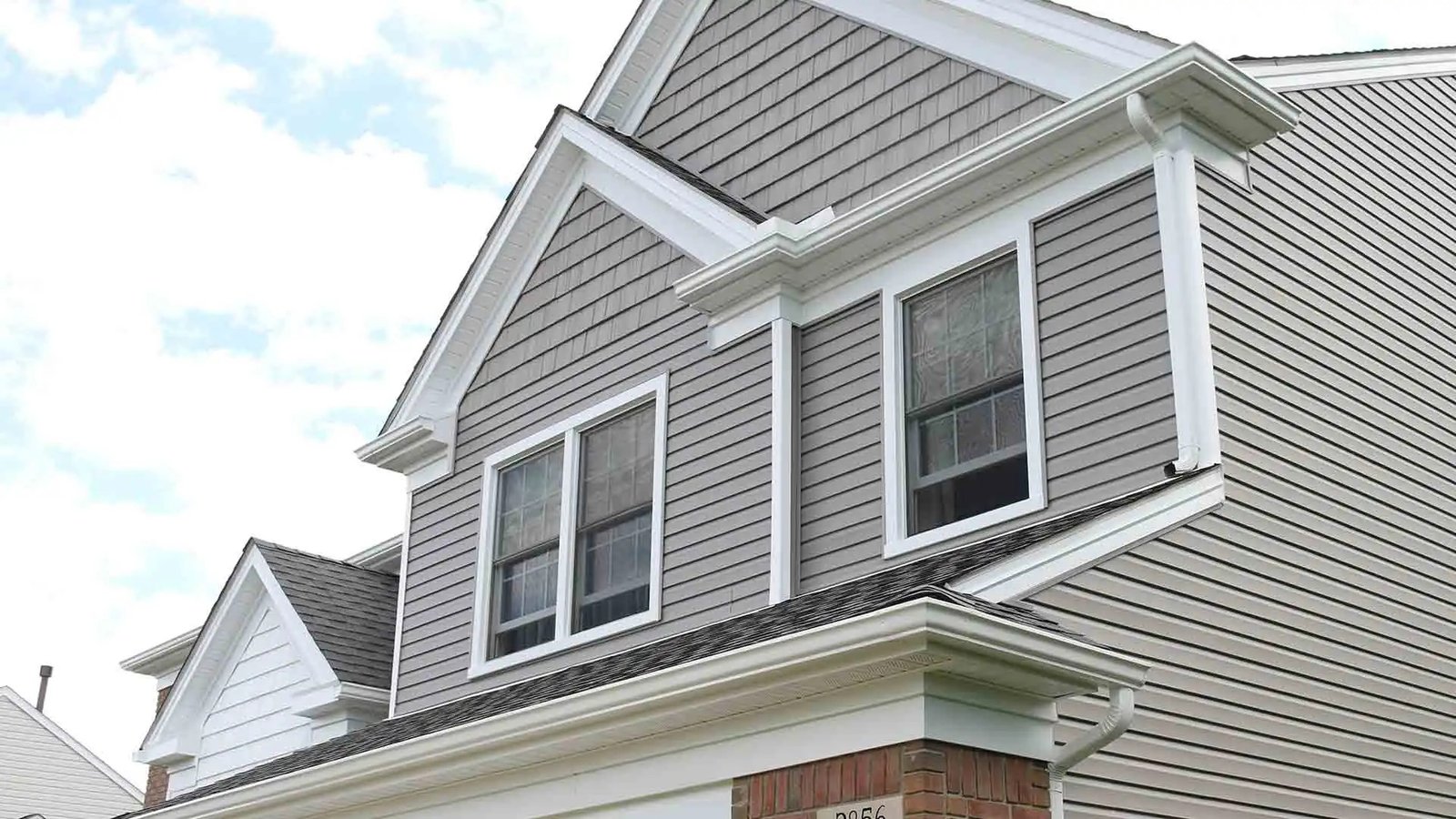
A properly installed system gives that runoff a defined path. The gutters catch it, the downspouts carry it down, and extensions or suitable discharge points direct it away from the house.

When Should You Replace Your Gutters?
A few leaves in the gutter don’t mean it’s time for a new system. There are plenty of issues that can be handled with cleaning or a relatively simple repair.
Replacement starts to make more sense when the gutters are repeatedly leaking, pulling away from the roofline, sagging between hangers, or developing extensive rust and damage. If water continues to overflow even after the system has been cleaned, the size, slope, placement, or overall design may also need to be reconsidered.
Storm damage is another reason to take a closer look. Hail, high winds, and fallen branches can dent or pull apart gutter sections, leaving the system looking mostly intact while affecting how well it drains.




what our customers say

“Outstanding Work”
I had the pleasure of working with Skyline Imaging for some home improvements, and I couldn’t be happier with the results! Dillon and Drake were both outstanding throughout the entire process. From the initial consultation, handling all insurance claims, and to the completion of the work, they were professional, reliable, and attentive to every detail.

Kim Steuben
“Wonderful”
Skyline Imaging did a wonderful job on our roof and soffit. Their team was thorough, cleaned up great, and did a quality job with quality materials. We’d recommend them to anyone looking to replace their roof, siding, or trim! Thank you, Skyline Imaging, LLC

Maddie Peterson
“Outstanding Work”
Skyline Imaging has been expeditious and professional from start to finish. Dillon Pigsley was super pleasant to work with throughout the claim process and scheduled services. Roofers were there early and gone before 4:30pm. Roof looks great and the property was cleaned up very well.

Trent Freeman
FAQ
How do I know if my home needs new gutters?
Look for sagging sections, recurring leaks, rust, loose fasteners, separated joints, and water spilling over the sides during rain. If repairs keep adding up or the system isn’t moving water where it needs to go, replacement may be more practical.
What size gutters does my home need?
The right size depends on factors such as the roof area, roof pitch, and how much rainfall the system needs to handle. Valleys and large roof sections can concentrate runoff in certain areas, so gutter sizing should be based on the actual roof rather than simply choosing the same size used elsewhere on the house.
Do new gutters need new downspouts?
Not necessarily. Existing downspouts can sometimes be reused if they’re in good condition and properly positioned, but damaged, undersized, or poorly placed downspouts may need to be replaced as part of the gutter installation.
Can new gutters help prevent water damage?
They can help control where roof runoff goes, which is important for protecting areas around the home from repeated water exposure. Gutters can’t solve every drainage problem by themselves, but a properly installed system can reduce overflow and direct water away from the house.
How long does gutter installation take?
The timeline depends on the size and layout of the property, the gutter system being installed, and whether old gutters need to be removed first. A straightforward residential installation can be relatively quick, while larger or more complicated rooflines may take longer.
How often should gutters be cleaned?
That depends largely on the property. Homes surrounded by mature trees may need more frequent cleaning, particularly in fall, while a property with fewer trees may go longer between cleanings. Keeping debris out of the system is important because a blocked gutter can’t move water properly.
Can gutter installation improve my home's appearance?
It can. New gutters can give the roofline a cleaner, more finished appearance, particularly when the old system is dented, stained, sagging, or mismatched with the rest of the exterior. Choosing a profile and color that work with the home’s siding and trim can make the installation feel like part of the overall exterior design.
Should gutters be inspected after a storm?
It’s a good idea if the property has been hit by strong winds, hail, or falling branches. Damage isn’t always obvious, and a loose section or dented gutter can affect drainage the next time it rains.
Keep Roof Runoff Moving
Good gutters don't need much attention when they're doing their job. They collect the water, send it through the downspouts, and move it away from the house without becoming something you have to think about every time it rains.
If your Elmwood gutters are leaking, sagging, overflowing, or simply past their useful life, Summit Exteriors can take a look and discuss the options. Call (800) 484-1929 to schedule a free estimate.