
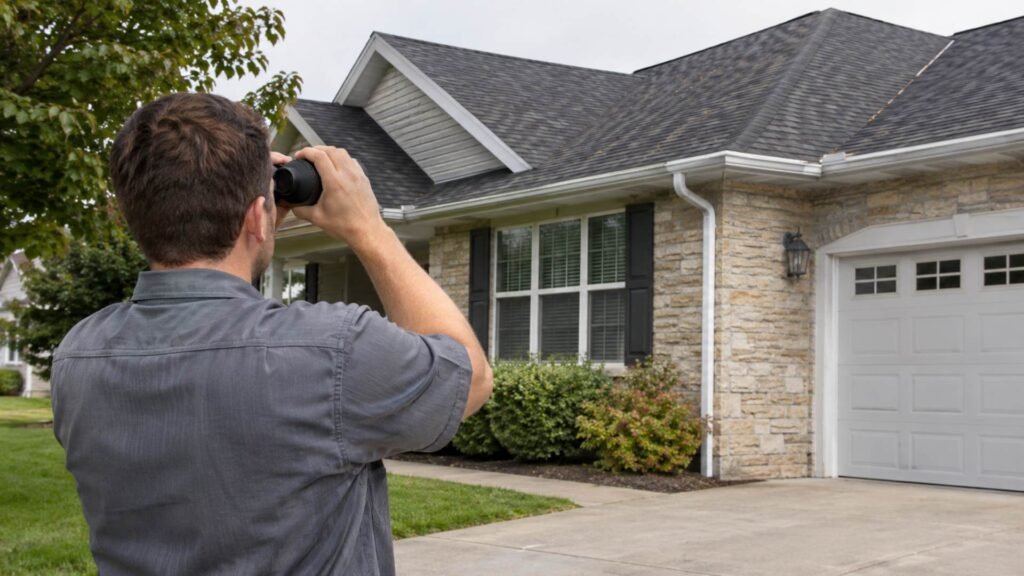
A roof inspection should leave you with a clearer picture of the roof and the decisions ahead. The result might be a limited repair recommendation, a larger project to evaluate, or a record of conditions to monitor.
The scope matters. A contractor’s assessment, a home inspection, a roof certification, and specialist testing can involve different services and documentation.
Key Takeaways
- Confirm the inspection scope, access methods, documentation, and fees.
- Ask which findings are confirmed and which need further investigation.
- Treat drone and thermal imaging as tools with defined limitations.
Agree on the Appointment’s Purpose
Explain why you are arranging the inspection: a new stain, storm concerns, an aging covering, or a planned replacement.
Ask whether roof access, attic observations, photographs, and a written report are included. Identify any access restrictions and ask about separately priced testing.
Summit Exteriors’ published Omaha roof inspection scope describes free assessments of accessible components and documentation when appropriate. Confirm what the appointment includes before relying on it for a particular transaction or insurance requirement.
An advertised free assessment should not be assumed to include every certification or specialist service.
Roof Covering and Related Details
For context, the American Society of Home Inspectors’ national inspection standard includes roofing materials, drainage systems, flashing, skylights, chimneys, and penetrations. It also calls for describing the inspection method.
That is a professional home-inspection standard, not a claim about Summit’s membership or the terms of every roofing appointment.
Ask the inspector to identify the materials observed and the location of any concerns. Photographs should help you recognize where a finding occurs.
Flashing, Penetrations, and Drainage
Discuss accessible areas around walls, chimneys, vent pipes, and skylights, along with roof edges and drainage.
If a concern is identified, ask whether the cause is established. A condition that deserves closer evaluation should not be presented as a confirmed diagnosis without supporting investigation.
Where roof repairs are proposed, the estimate should connect the work to a specific finding. It should also identify any adjacent component that needs separate assessment.
Ask which areas could not be seen and why.
Accessible Attic Observations
If the appointment includes attic access, clarify how that space can be reached safely and what the inspector expects to observe.
The Building America Solution Center’s pre-retrofit roof and attic assessment considers exterior conditions, interior observations, and the attic together. It also identifies access and structural concerns that may affect an assessment.
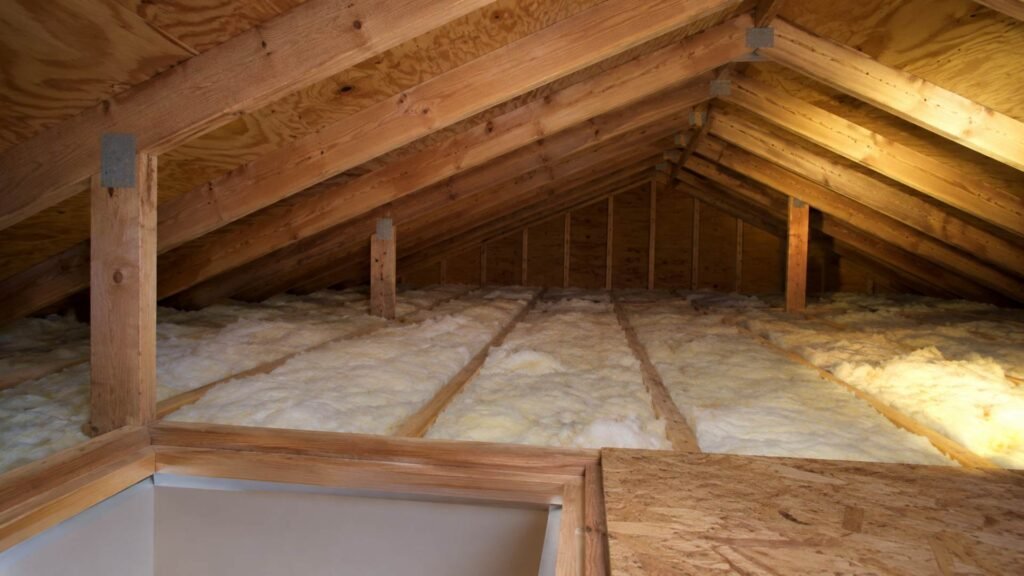
That guidance helps explain why a roof concern may require looking beyond the exterior covering. It does not mean an ordinary visual inspection includes dismantling finishes or conducting every retrofit test.
If further evaluation is recommended, ask which question the next assessment is intended to answer.
What Drone Photography Can Add
Aerial photographs can provide views that are difficult to obtain from the ground.
Ask which roof areas were photographed and whether anything remained obscured. The report should describe how the roof was assessed, including any access limitations.
A photograph can record an appearance. Some concerns still require closer inspection, measurements, or other investigation before a cause is established.
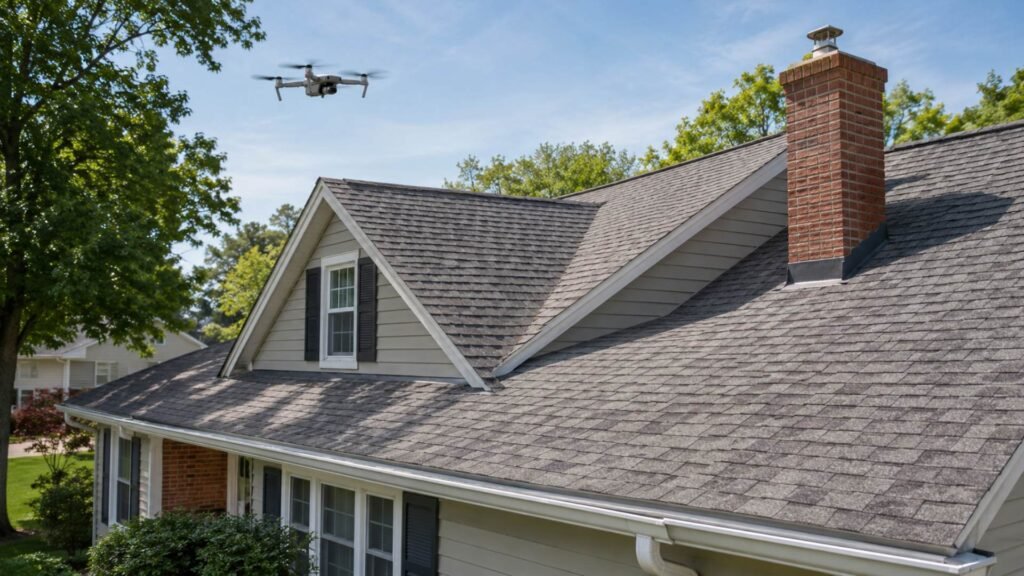
Drone use also depends on conditions and an appropriate flight plan. An inspection agreement should not promise that aerial imaging will reveal every defect.
What Thermal Imaging Can Establish
Thermal cameras display surface-temperature patterns. They do not provide a direct view through roofing materials or walls.
FLIR’s explanation of thermal-imaging limitations describes how a concealed condition may affect a visible surface’s temperature without the camera seeing through that surface.
Ask how an unusual pattern was interpreted and whether suspected moisture was confirmed through an appropriate additional method.
A thermal image should not be described as proof of damage merely because it contains contrasting colors.
Request Documentation That Supports a Decision
Useful findings identify the observation, location, and recommended response.
Ask for:
- Photographs of relevant areas.
- A description of the access method and limitations.
- Findings that need prompt attention.
- Items suitable for monitoring.
- Questions that remain unresolved.
- A separate scope and estimate for proposed work.
Keep observations distinct from recommendations. “A stain was visible” and “this flashing caused the stain” are different levels of conclusion.
If replacement is recommended, ask why the remaining roof or a smaller repair scope is unsuitable.
Understand the Inspection’s Limits
Materials can remain concealed beneath roofing, insulation, and interior finishes. Weather and access can also limit observations.
Ask which concerns can be assessed now and which may only become clear during further investigation or tear-off.
For ongoing roof maintenance, retain the findings with earlier reports and repair records. Comparing documented conditions over time is more useful than relying on memory alone.
Frequently Asked Questions
Does a free inspection include a formal certification?
Not automatically. Confirm the purpose, report format, and any separate certification or testing charges before booking.
Must every inspection involve walking the roof?
The method depends on the scope, access, and conditions. Ask how the roof was assessed and which limitations remained.
Can thermal imaging confirm every leak?
No. It shows temperature patterns that may guide investigation. Suspected moisture or damage can require additional verification.
What if the inspector cannot access the attic?
The report should identify the limitation and explain whether another method or follow-up assessment is recommended.
Does an inspection guarantee insurance approval?
No. Documented findings may be relevant to a claim, but the insurer determines coverage under the policy.
Understand What Was Observed
A useful inspection explains the accessible conditions, the methods used, and what remains uncertain. Clear documentation makes it easier to distinguish maintenance, repair, additional testing, and replacement decisions.