
Metal Roofing Elmwood

A New Take on an Old Roofing Material
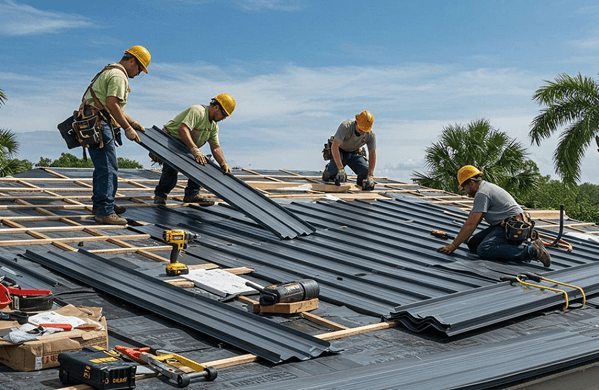
Metal roofing has come a long way from the corrugated panels you might picture on an agricultural building. Today’s systems can have clean standing seams, traditional shingle profiles, stone-coated finishes, and other looks that work just as well on an Omaha home as they do on a commercial property.
The material itself is another reason people take a closer look. Steel and aluminum roofing can offer decades of service, strong resistance to wind and hail, and relatively little maintenance along the way. For the right home or building in Elmwood, metal roofing can be a practical alternative to traditional roofing materials without giving up much in the appearance department.
4,000+ Projects Completed
Summit Exteriors has completed approximately 4,000 roofing and exterior projects. That experience gives our team plenty of perspective when assessing an existing roof and planning a new one.
14 Years in the Industry
Jonathan brings approximately 14 years of roofing and construction experience to the company. That background helps our team consider the materials, installation details, and existing conditions that go into a roofing project.
Thermal Imaging for a Closer Look
A roof inspection can uncover things that aren't obvious just by looking at the surface. Summit Exteriors uses thermal imaging technology as another way to investigate moisture and other concerns when the roofing system calls for a closer look.
Storm Damage and Insurance Experience
Hail and high winds are part of life in Nebraska, and metal roofing can take a lot of abuse. When a storm damages a roof, we'll document what we find and provide information you can use during the insurance claim process.
More Than Roofing
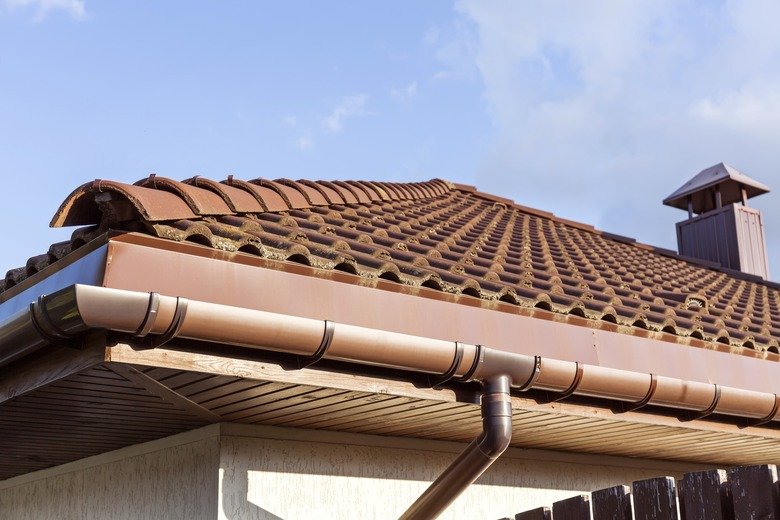
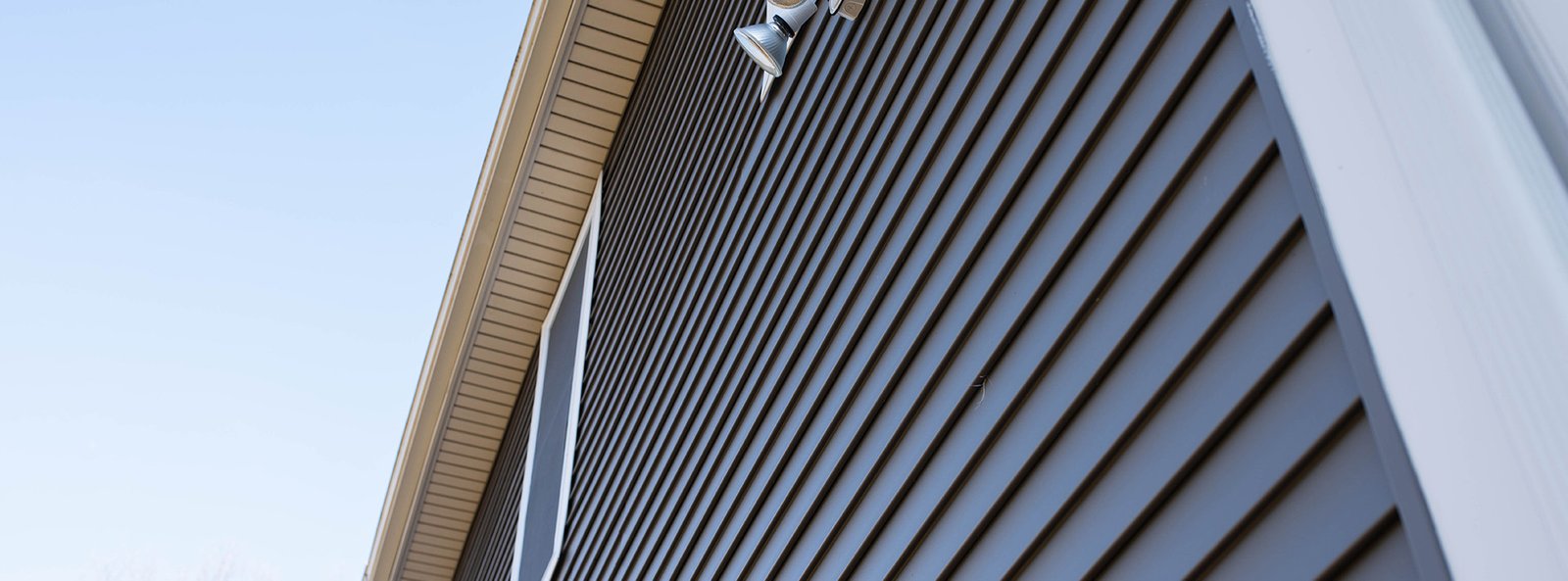
A new roof can bring other exterior work into the picture. Summit Exteriors also provides siding and gutter services, so related concerns can be addressed as part of the larger project when needed.
Why Elmwood Homeowners Choose Summit Exteriors
Our Metal Roofing Services
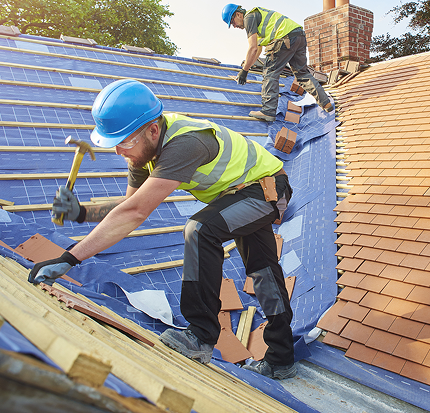
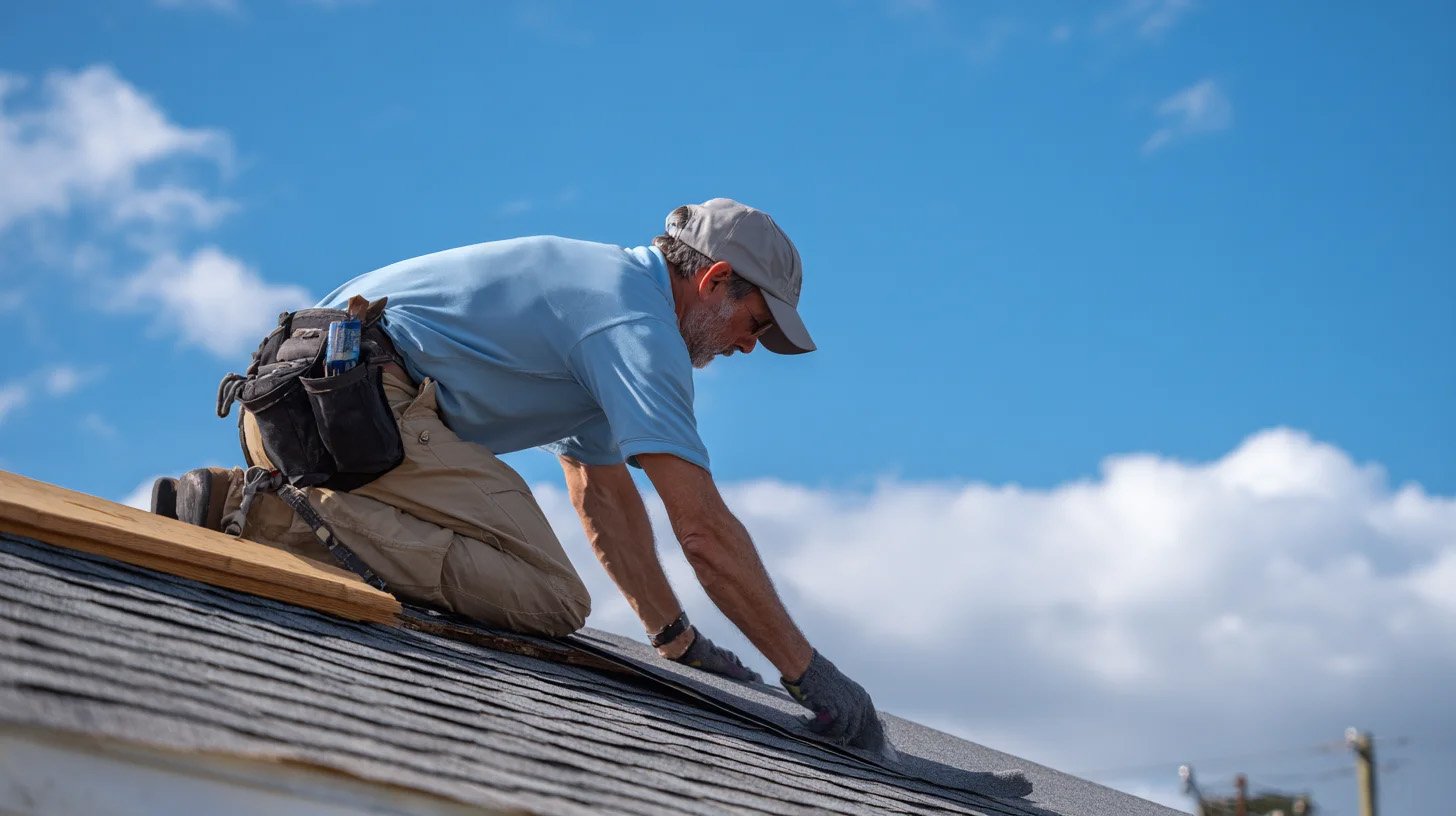
- Metal Roof Installation – Installation of metal roofing systems for residential and commercial properties, with the roof structure and existing conditions considered before work begins.
- Standing Seam Metal Roofing – Vertical metal panels with raised, interlocking seams for a clean appearance and durable weather protection.
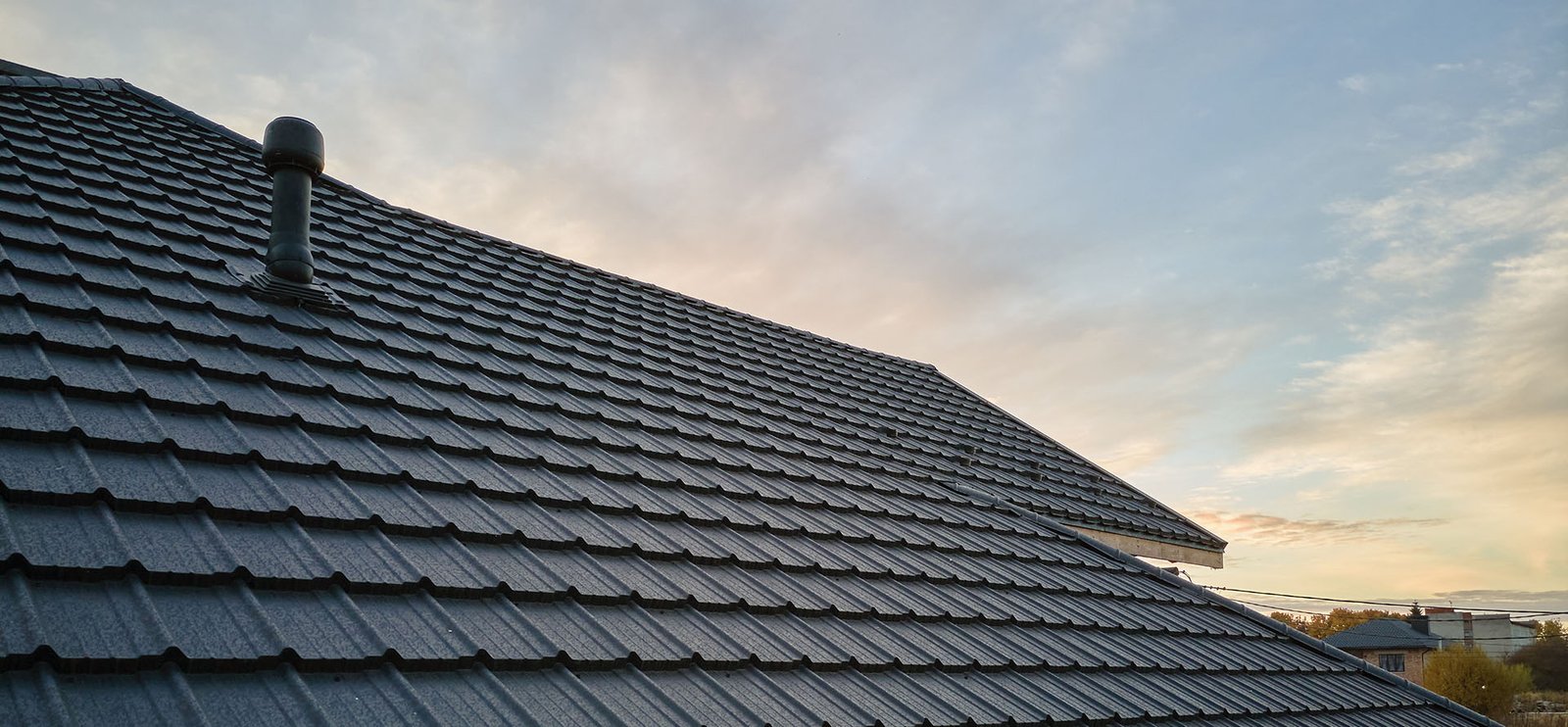
- Metal Shingle Roofing – Metal panels designed to resemble traditional roofing materials while offering the durability and longevity of metal.
- Stone-Coated Steel Roofing – Steel roofing with a textured stone coating that combines a more traditional appearance with the strength of a metal system.
- Metal Roof Replacement – Removal and replacement of an aging or damaged roofing system with a new metal roof.
- Metal Roof Repair – Repairs for leaks, damaged panels, loose fasteners, flashing concerns, and other issues affecting the roofing system.
- Metal Roof Inspections – Professional inspections to check panels, seams, flashing, fasteners, drainage, and other components.
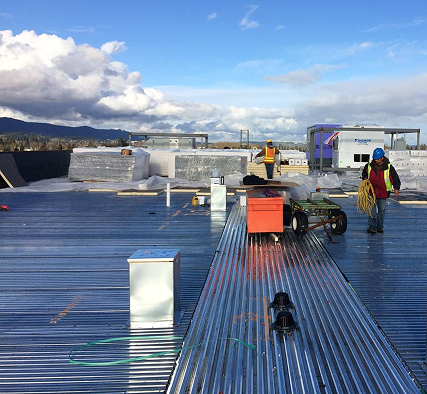
- Commercial Metal Roofing – Metal roofing services for commercial properties where durability, maintenance, and long-term performance are important considerations.
What Makes Metal Roofing Different?
The biggest difference is sitting right above your head. Instead of individual asphalt shingles, a metal roof uses panels or metal shingles that form a continuous roofing surface with fewer individual pieces to replace.
Steel is the most common choice, while aluminum is another option, particularly when corrosion resistance and lower weight are priorities. Copper and zinc are also available for projects where appearance and long-term durability are major considerations.
The installation details vary with the system. Standing seam panels, for example, use raised seams that interlock or mechanically join the panels, while metal shingles are installed more like a traditional shingle system. The existing roof, building design, and material selected all influence how the project comes together.
Can Metal Roofing Handle Nebraska Weather?
Nebraska gives roofing materials plenty to think about. Summer heat, freezing temperatures, snow, hail, strong winds, and repeated freeze-thaw cycles can all affect a roofing system over time.
Quality metal roofing is designed to handle substantial weather exposure. Many metal systems carry high impact-resistance ratings, and properly installed systems can be engineered for very high wind resistance. Metal also doesn’t absorb water the way some traditional roofing materials can, and its smooth surface allows snow to slide off more readily.
Ice dams are another consideration. Because metal roofs shed snow effectively, they can reduce the conditions that allow snow to remain piled along the roof edge, although insulation, ventilation, and the overall roof design still play important roles.
How Long Does a Metal Roof Last?
Metal roofing is one of the longer-lasting options available for homes and commercial buildings. Many properly installed metal systems can last roughly 40–70 years, depending on the material, finish, installation quality, maintenance, and exposure to weather.
Metal roofing can have a higher upfront price than asphalt shingles, but replacing a roof less frequently can affect the total cost of ownership over several decades.
Copper and zinc can have even longer service lives under the right conditions, although their appearance, cost, and installation requirements make them a different type of roofing project.
what our customers say

“Outstanding Work”
I had the pleasure of working with Skyline Imaging for some home improvements, and I couldn’t be happier with the results! Dillon and Drake were both outstanding throughout the entire process. From the initial consultation, handling all insurance claims, and to the completion of the work, they were professional, reliable, and attentive to every detail.

Kim Steuben
“Wonderful”
Skyline Imaging did a wonderful job on our roof and soffit. Their team was thorough, cleaned up great, and did a quality job with quality materials. We’d recommend them to anyone looking to replace their roof, siding, or trim! Thank you, Skyline Imaging, LLC

Maddie Peterson
“Outstanding Work”
Skyline Imaging has been expeditious and professional from start to finish. Dillon Pigsley was super pleasant to work with throughout the claim process and scheduled services. Roofers were there early and gone before 4:30pm. Roof looks great and the property was cleaned up very well.

Trent Freeman
FAQ
Is metal roofing more expensive than asphalt shingles?
The initial cost of metal roofing is typically higher than asphalt shingles, but the price needs to be considered alongside the expected service life and maintenance requirements. A metal roof that lasts for several decades can have a different long-term cost than a roof that needs to be replaced more frequently.
Can metal roofing be installed on a residential home?
Absolutely. Metal roofing is used on residential properties as well as commercial buildings, and there are more styles available than the old-fashioned metal-panel look suggests. Standing seam, metal shingles, and stone-coated steel can all give a home a very different appearance.
Will a metal roof make my house hotter?
Not necessarily. Metal roofing can reflect solar radiation, particularly when a reflective finish is used, and the roofing system can be paired with appropriate insulation and ventilation. The color, finish, attic setup, and overall construction of the home all affect how much heat makes its way inside.
Can hail damage a metal roof?
Metal roofing can still be dented by severe hail, but many systems are designed and tested for high impact resistance. A Class 4 impact rating, when applicable to the specific product, indicates that the roofing system has achieved the highest level in the relevant UL 2218 impact classification.
Is metal roofing noisy when it rains?
It can be more noticeable than asphalt shingles when the roof assembly doesn’t provide much sound absorption. Proper insulation, underlayment, and the construction of the roof deck can make a substantial difference in how much outside noise reaches the interior.
Can I install metal roofing over shingles?
Some metal roofing systems can be installed over existing shingles, but the existing roof still needs to be inspected first. Moisture, damaged decking, excessive layers, roof condition, and the installation requirements for the new system all need to be considered before leaving the old shingles in place.
Does metal roofing require much maintenance?
Metal roofs generally have relatively low maintenance requirements, but they aren’t completely maintenance-free. It’s still useful to have the roof inspected periodically for damaged panels, loose fasteners, deteriorating sealants, flashing problems, debris, and drainage concerns.
How long does metal roof installation take?
The timeline depends on the size and complexity of the roof, the material being installed, the condition of the existing system, and how much preparation the project requires. A straightforward residential roof can move more quickly than a large or complicated commercial installation.
Can metal roofing improve my home's curb appeal?
It can change the appearance quite a bit. Standing seam gives a home clean vertical lines, while metal shingles and stone-coated steel can provide a more traditional look. With different profiles, finishes, and colors available, the roof can complement the siding, windows, and architectural style rather than simply blending into the background.
What should I look for in a metal roofing contractor?
Look for experience with the specific type of metal roofing you’re considering and ask about the panels, underlayment, flashing, fasteners, ventilation, and installation process. Quality workmanship is particularly important with metal roofing because details such as seams, penetrations, and flashing have a direct effect on how the finished system performs.
Give Your Roof a Longer Run
Metal roofing isn't going to be the right material for every house or commercial building, but it's worth considering if you're looking for durability, a long service life, and something beyond traditional shingles. The style options have expanded quite a bit, too.
A metal roof is a big change, but choosing one doesn't have to be complicated. Talk with Summit Exteriors about metal roofing options for your Elmwood property at (800) 484-1929.