
Roofing Insurance Claims Elmwood

When Your Roof Damage Becomes an Insurance Question
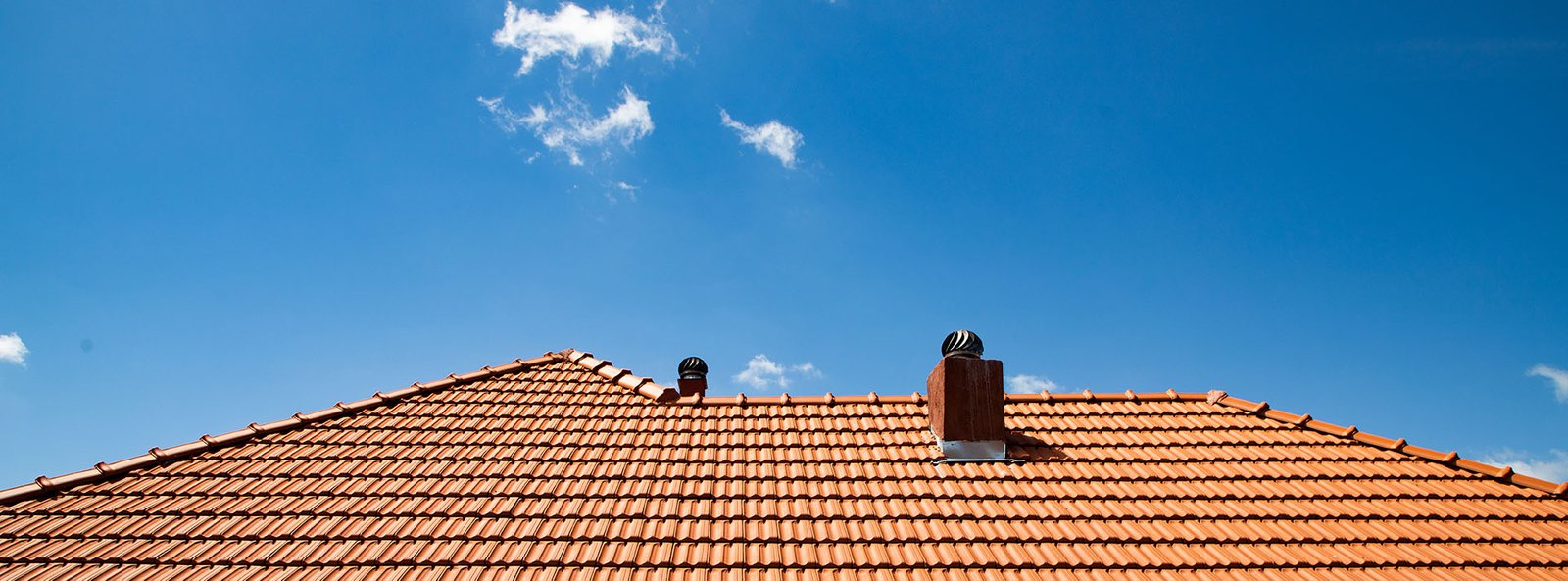
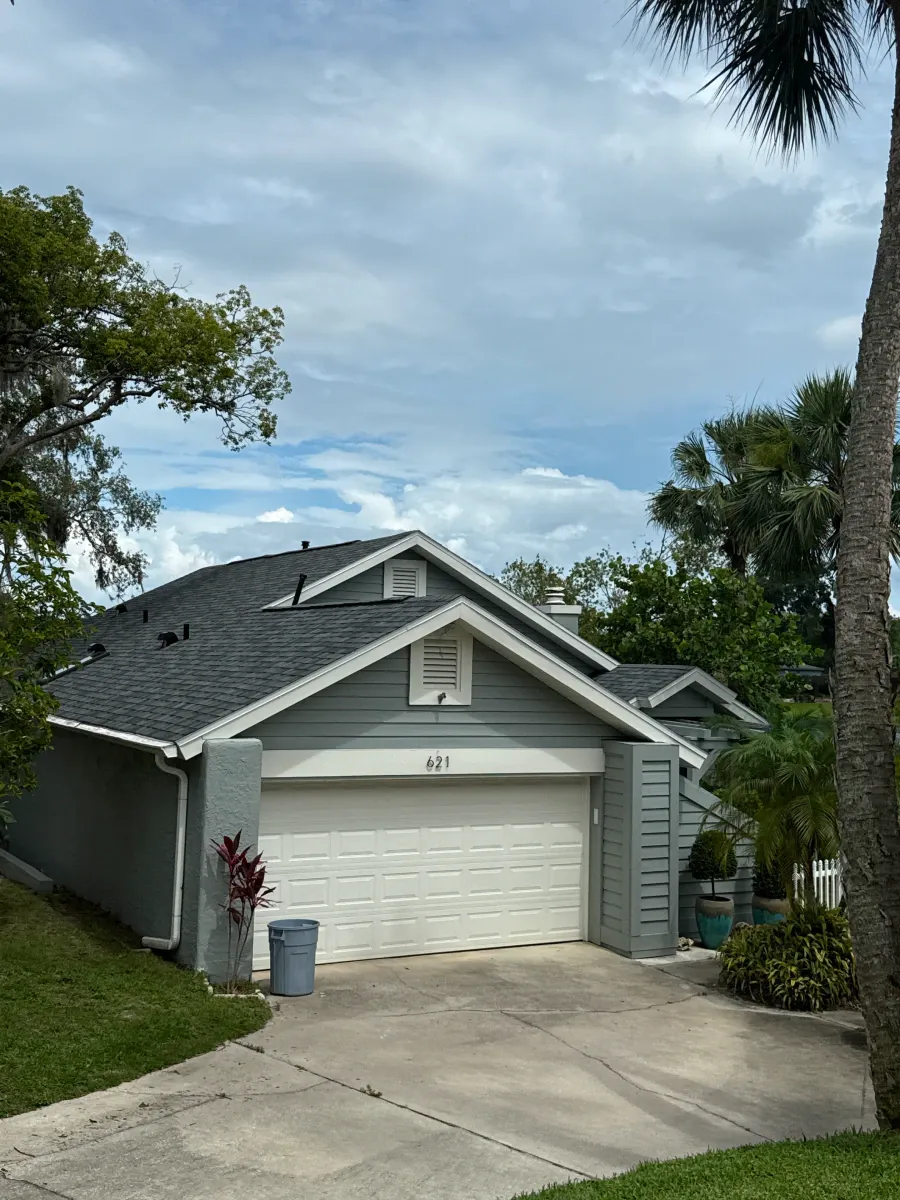
Hail and high winds don’t always leave a roof looking obviously damaged. You might see a few missing shingles and assume that’s the whole story, while damage to other parts of the roofing system is easy to miss from the ground. Finding out what actually happened is a useful first step before you start sorting through an insurance claim.
Our team at Summit Exteriors can inspect the roof, photograph and document the damage, and help you understand what we’re seeing. That information can then come in handy when you’re talking with your insurance company or meeting with an adjuster.
4,000+ Projects Completed
Summit Exteriors has completed approximately 4,000 roofing and exterior projects. That includes plenty of roofs that have taken a beating from hail, wind, and other Nebraska weather.
14 Years in the Industry
Jonathan brings approximately 14 years of roofing and construction experience to the company. That experience helps our team recognize storm damage, assess roofing materials, and understand what we're looking at during an inspection.
We Know Storm Damage
Storm damage isn't always limited to the shingles you can see from the ground. We look at the roofing system as a whole, including areas where wind or hail may have caused less obvious damage.
Help With the Documentation
Photos and inspection records can be useful when you're filing a roof claim. We'll document the damage we find and provide information you can use when discussing the roof with your insurance company.
More Than Roofing
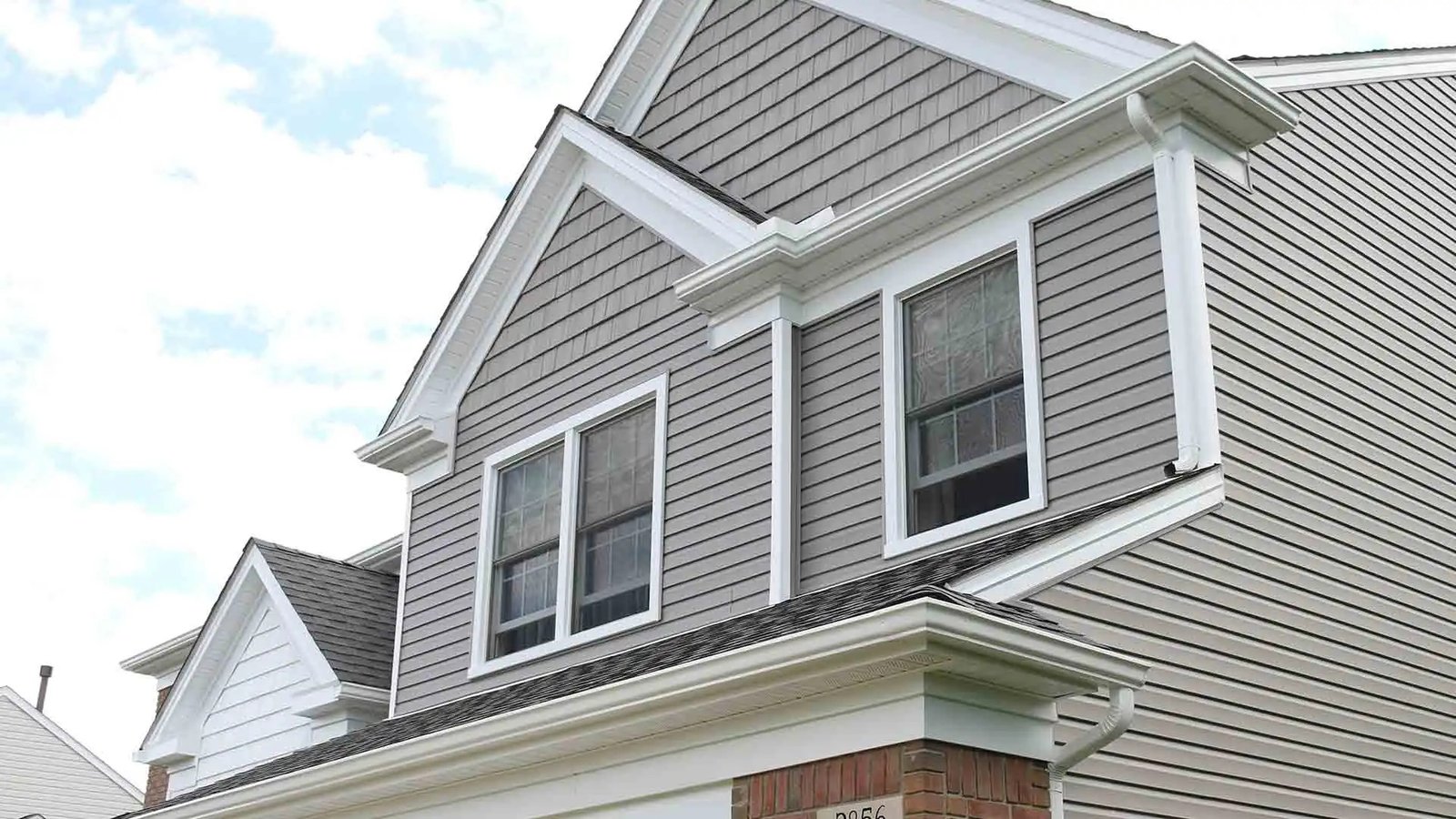
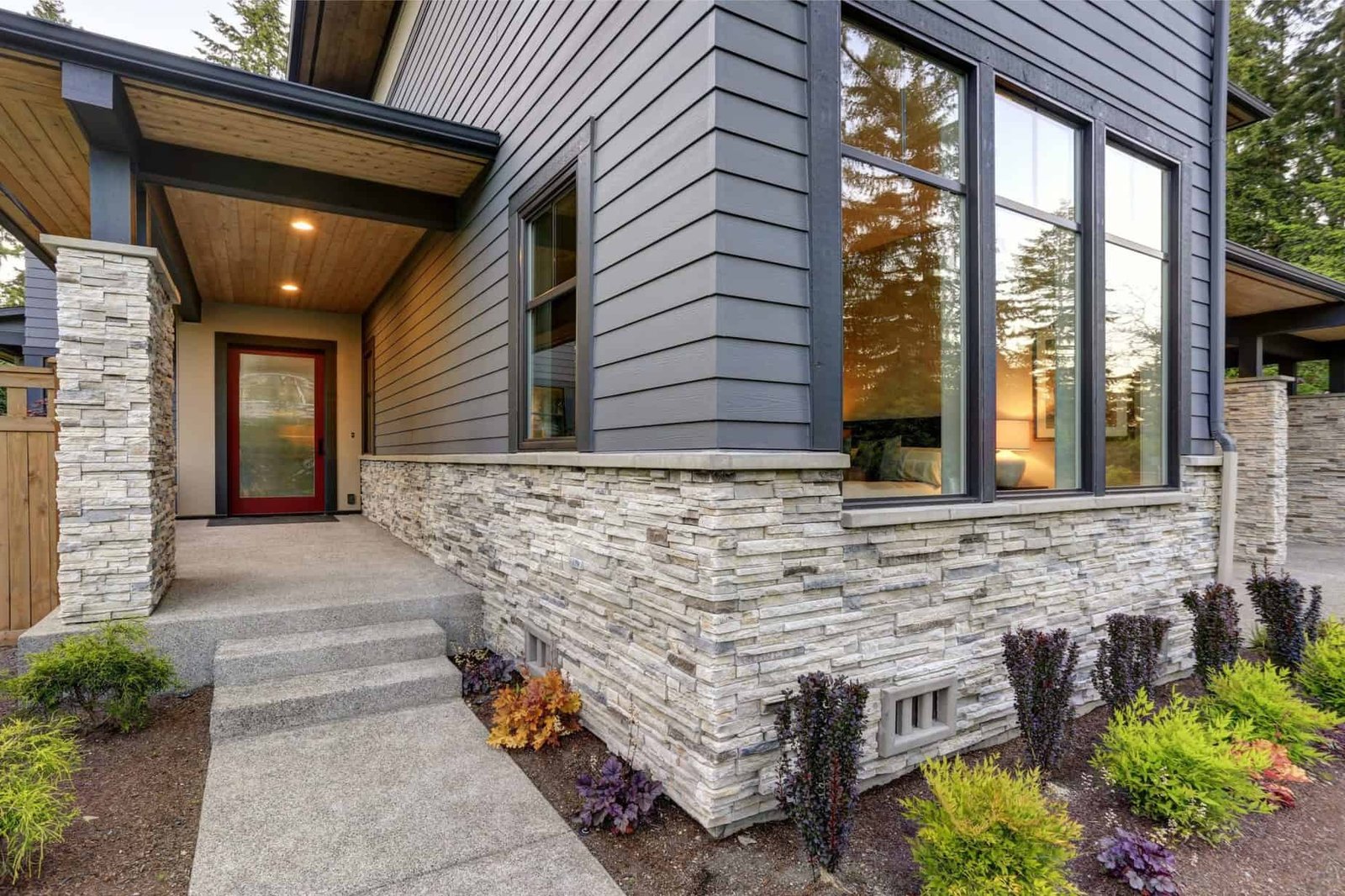
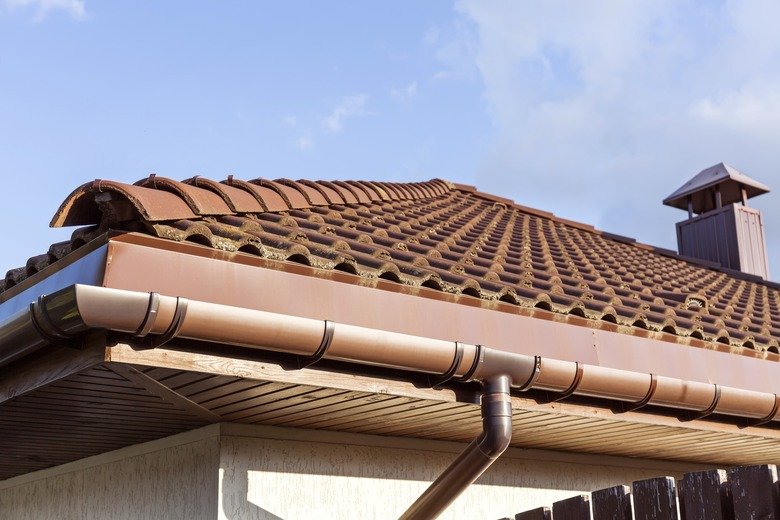
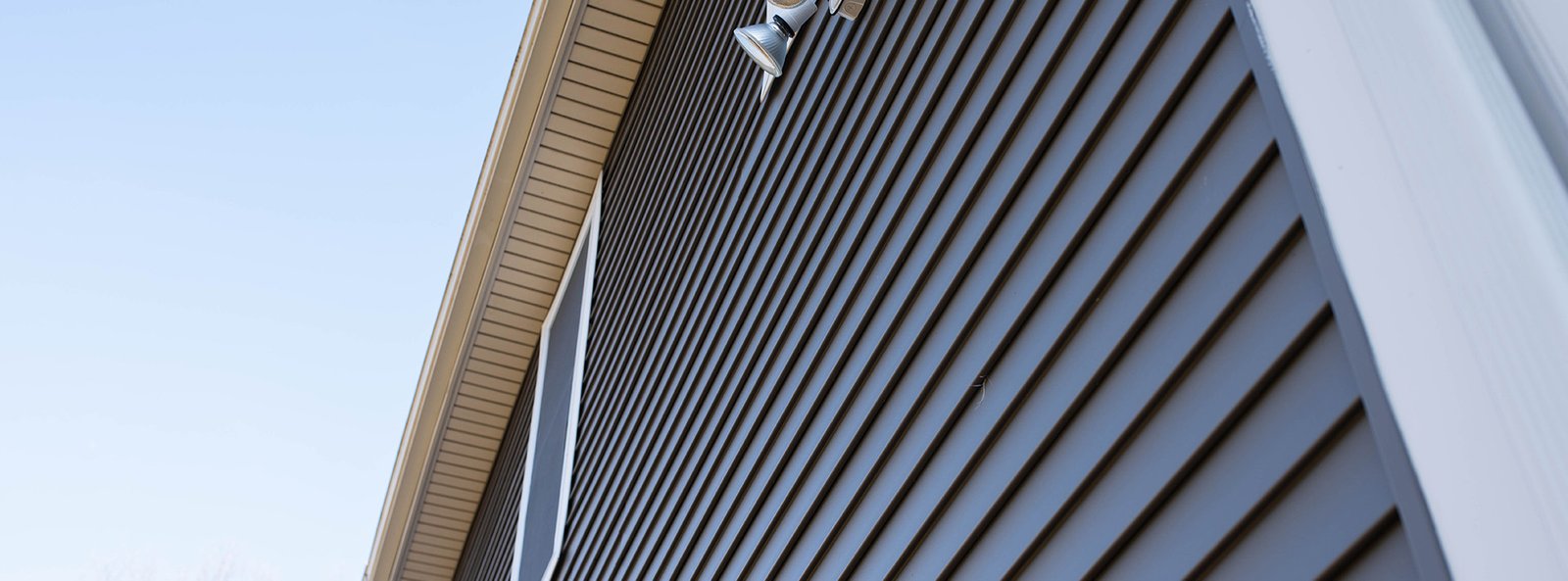
Summit Exteriors also handles siding and gutters, so we're able to look at other parts of the exterior when a storm has affected more than the roof.
Why Elmwood Homeowners Choose Summit Exteriors
Roofing Insurance Claim Services
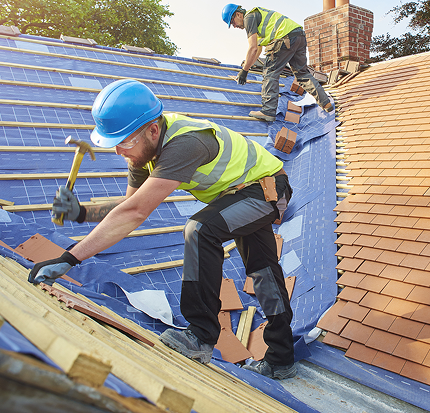
- Roof Damage Inspections – We'll take a closer look at the roof after hail, high winds, or another storm and document visible damage and areas of concern.
- Storm Damage Documentation – Photos and inspection findings can give you useful records to keep with your insurance claim.
- Insurance Adjuster Inspections – You can have your roofing contractor present when the adjuster visits, giving you someone familiar with the roof and the damage to discuss what they find.
- Hail Damage Inspections – Hail damage isn't always easy to spot from the ground. We'll inspect the roofing materials for signs of impact and other storm-related problems.
- Wind Damage Inspections – High winds can lift shingles, break their seals, loosen flashing, and damage ridge caps even when the roof still looks mostly intact.
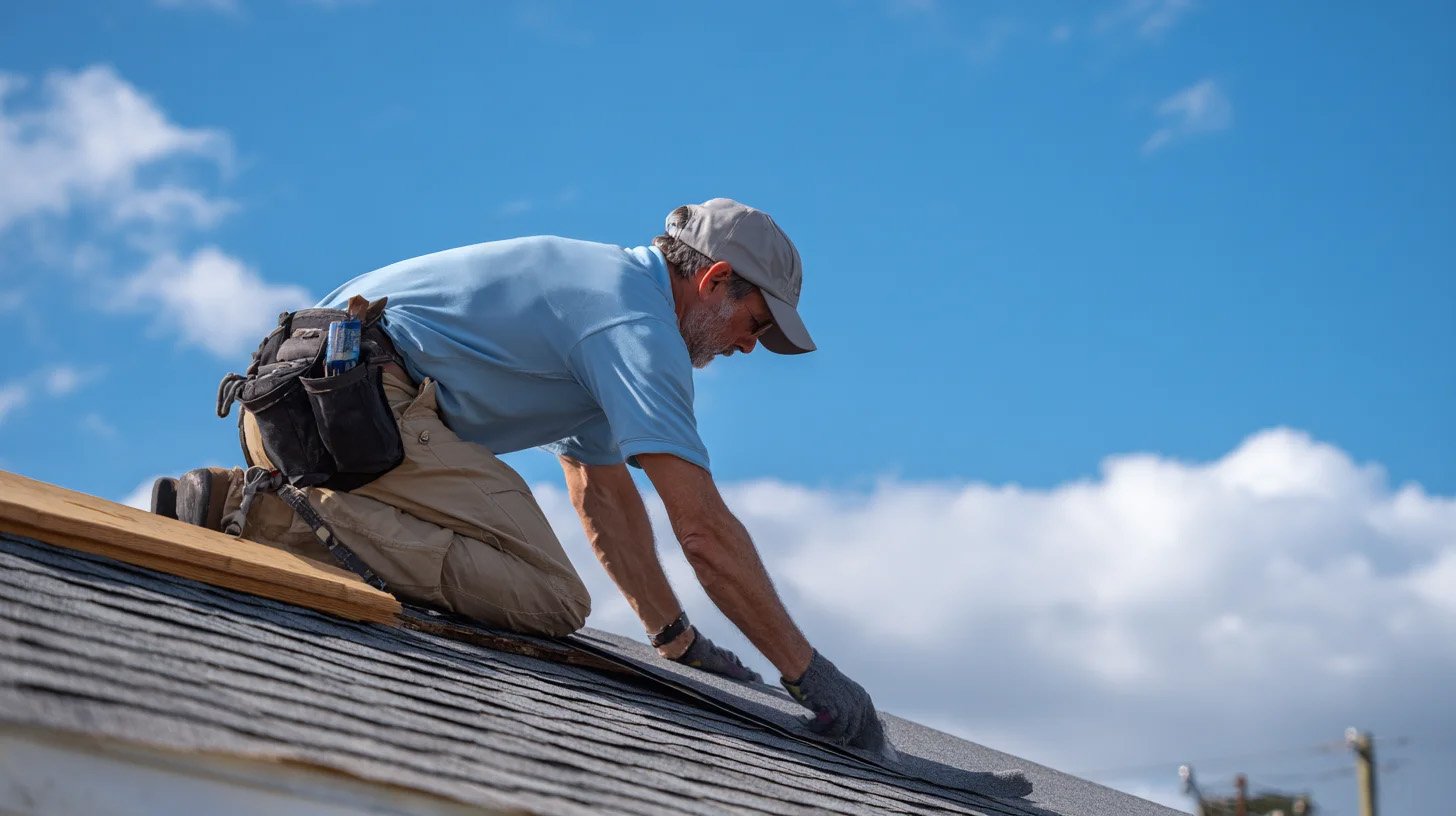
- Roof Repairs – If the damage can be addressed without replacing the entire roof, we'll explain what repairs are needed and where the work should be focused.
- Roof Replacement – When storm damage is extensive or the existing roof is already near the end of its useful life, we'll talk through what a complete replacement would involve.
- Insurance Claim Support – We'll provide the inspection information and documentation we have so you can use it when communicating with your insurer.
What to Do After Storm Damage
Once the storm passes, take a look around from the ground. Check for missing shingles, debris, dents, damaged vents, fallen branches, or water stains inside the house, and take photos of anything you can safely see.
Then give your insurance company a call and find out what they need for a claim. A roof inspection can catch damage you might not notice from the ground and give you documentation to keep with your claim. If water is already getting inside, deal with the leak as soon as you can to help limit further damage.

What Happens During a Roof Insurance Claim?
The process can vary by insurance company and policy, but it generally starts with reporting the damage and finding out what your insurer needs from you. An adjuster may then visit the property to inspect the roof and prepare an estimate.
Having your roofing contractor present during that inspection can be helpful. Your contractor can point out damage, answer questions about the roofing system, and make sure areas of concern aren’t overlooked.
After the inspection, review the adjuster’s estimate carefully. If something appears to be missing or you don’t understand how a repair or replacement was calculated, ask your insurer for clarification. Your contractor can also compare the estimate with the damage they documented.
Your Roof Insurance Coverage
Unfortunately, a roof claim isn’t automatically approved just because a storm happened. Coverage depends on the cause of the damage and the terms of your specific homeowners insurance policy.
Wind, hail, and fallen trees are commonly covered causes of sudden roof damage, while problems related to normal wear, age, or poor maintenance may be treated differently by an insurer.
Your policy may also use either actual cash value or replacement cost coverage. With actual cash value coverage, depreciation based on the age and condition of the roof can affect the amount paid. Replacement cost coverage generally considers the cost to replace the damaged property, subject to the policy’s terms and deductible.
Your insurance company is the one that can tell you exactly what your policy covers, how your deductible applies, and what documentation is required.



what our customers say

“Outstanding Work”
I had the pleasure of working with Skyline Imaging for some home improvements, and I couldn’t be happier with the results! Dillon and Drake were both outstanding throughout the entire process. From the initial consultation, handling all insurance claims, and to the completion of the work, they were professional, reliable, and attentive to every detail.

Kim Steuben
“Wonderful”
Skyline Imaging did a wonderful job on our roof and soffit. Their team was thorough, cleaned up great, and did a quality job with quality materials. We’d recommend them to anyone looking to replace their roof, siding, or trim! Thank you, Skyline Imaging, LLC

Maddie Peterson
“Outstanding Work”
Skyline Imaging has been expeditious and professional from start to finish. Dillon Pigsley was super pleasant to work with throughout the claim process and scheduled services. Roofers were there early and gone before 4:30pm. Roof looks great and the property was cleaned up very well.

Trent Freeman
FAQ
Does homeowners insurance cover storm damage to a roof?
Many homeowners policies cover sudden damage caused by events such as hail or high winds, but coverage depends on the individual policy and the cause of the damage. Your insurance company can confirm what applies to your roof and explain your deductible.
Should I file an insurance claim before calling a roofing contractor?
You can contact a roofing contractor for an inspection before deciding what to do with the claim. Having the damage documented first can give you useful information when you speak with your insurance company.
Can Summit Exteriors meet with my insurance adjuster?
Yes. Having our team present gives us an opportunity to discuss the roofing damage directly with the adjuster and point out areas we’ve documented during our inspection.
What should I photograph after a storm?
Property owners should start by photographing anything they can safely see, including missing shingles, debris, fallen branches, damaged vents, dents, and water stains inside the home. Keep those photos along with receipts and other records related to the damage.
What if my insurance company denies my roof claim?
Start by finding out exactly why the claim was denied and ask for the explanation in writing. You can then review the decision, compare it with your inspection documentation, and ask the insurer about its appeal or reconsideration process.
How long do I have to file a roof insurance claim?
The deadline depends on your insurance policy and the circumstances of the damage, so don’t assume every claim has the same timeframe. Contact your insurer promptly after a storm and check your policy for any reporting deadlines.
Know What Your Insurance Claim Is Up Against
Insurance paperwork can make an already frustrating roof problem feel even bigger. So, start with the part you can control: find out what's actually happening on the roof, document the damage, and keep your records together.
Summit Exteriors can inspect your Elmwood roof, document storm damage, and provide the information you need as you work through the insurance process. Call (800) 484-1929 to schedule a free estimate.